
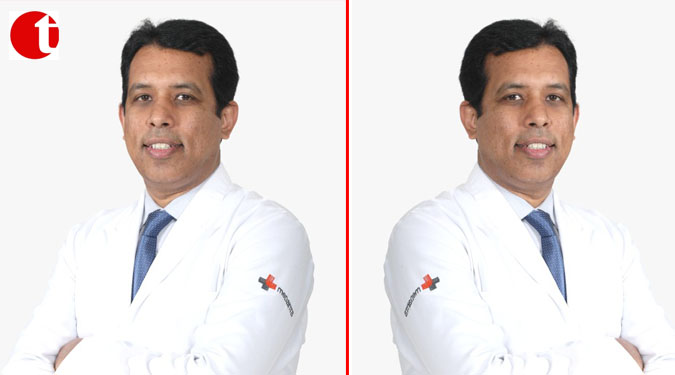
- Advances in modern neurosurgery are also making treatment safer, more precise, and less invasive
TIL Desk Lucknow: The brain is the command centre of the human body, governing everything from movement and memory to emotions and decision-making. Yet, despite its importance, brain health is often overlooked until symptoms such as persistent headaches, memory problems, seizures, or weakness begin to interfere with daily life. While some neurological conditions are influenced by age and genetics, many can be prevented or their impact reduced through healthy habits, timely medical attention, and advances in modern neuroscience.
Brain health is not something we should start thinking about in old age. The foundation for healthy brain ageing is laid much earlier in life. Every stage, from childhood to senior years, presents unique opportunities to protect the brain and reduce the risk of neurological disorders later.
The journey begins in childhood, when the brain develops at an extraordinary pace. Adequate nutrition, vaccination, regular physical activity, quality sleep, and opportunities for learning all contribute to healthy brain development. Moving on to adolescence and adulthood, the brain continues to mature, particularly the areas responsible for judgement, emotional regulation, and decision-making. This is also the period when unhealthy lifestyle habits such as sleep deprivation, excessive screen time, substance abuse, and chronic stress can begin to affect cognitive health.
High blood pressure, diabetes, obesity, elevated cholesterol, smoking, and sedentary lifestyles significantly increase the risk of stroke and cognitive decline. Managing these conditions through regular health check-ups, balanced nutrition, exercise, and stress management not only benefits the heart but also protects the brain. As people grow older, maintaining cognitive function becomes increasingly important. Regular physical activity, lifelong learning, reading, solving puzzles, social interaction, and good sleep habits enable the brain to better cope with age-related changes.
Wearing helmets while riding two-wheelers, avoiding alcohol or drug misuse, and seeking medical attention for repeated headaches or head injuries are equally important in safeguarding the brain.
As neurosurgeons, we increasingly see preventable brain injuries caused by road traffic accidents. Wearing a certified helmet and following road safety measures remain among the simplest yet most effective ways to protect the brain.
While lifestyle measures remain the cornerstone of brain health, remarkable advances in neurosurgery have transformed the treatment of complex neurological disorders. Modern neurosurgical techniques now enable surgeons to operate with far greater precision while minimising trauma to healthy brain tissue. High-definition operating microscopes, neuronavigation systems that function like GPS for the brain, advanced intraoperative imaging, neurophysiological monitoring, endoscopic procedures, and minimally invasive approaches have made many surgeries safer than ever before.
Neurosurgery has witnessed a remarkable transformation over the past decade. Today’s technologies allow us to perform highly complex procedures with greater precision, better safety, and improved functional outcomes. The focus is no longer just on saving lives but also on preserving neurological function and helping patients return to normal life as quickly as possible.
Dr. Ravi Shankar, Director, Neurosurgery at Medanta Lucknow said, patients with brain tumours, aneurysms, vascular malformations, epilepsy, hydrocephalus, and certain spinal disorders can now benefit from procedures that involve smaller incisions, reduced blood loss, shorter hospital stays, and faster recovery. In many cases, awake brain surgery allows surgeons to remove tumours located near critical speech or movement centres while continuously monitoring the patient’s neurological function, helping preserve quality of life after surgery.
Another major advancement is the growing use of minimally invasive and endoscopic neurosurgery. By accessing the brain through natural pathways or very small openings, surgeons can treat selected pituitary tumours, ventricular disorders, and skull base lesions while reducing surgical trauma and postoperative discomfort. These techniques have significantly improved patient outcomes without compromising treatment effectiveness.
Brain health is ultimately a lifelong responsibility. Healthy lifestyle choices, awareness of warning signs, timely medical evaluation, and access to advanced neurological care together offer the best chance of preventing disease and improving outcomes. As neuroscience continues to evolve, the emphasis is shifting from simply treating neurological disorders to preserving brain function, enhancing quality of life, and enabling healthy ageing for people at every stage of life. Dr. Ravi Shankar is a presenter at the upcoming Medanta Neuro Conclave organised by Medanta Lucknow on August 09, 2026. He will speak on the topic: “Brain and Spine Tumours: Where Every Millimetre Counts”.