TIL Desk Lucknow,: Himanshu, a 6-year-old child, was brought to Medanta Lucknow Emergency dept. in a critically ill, intubated condition, referred from another healthcare facility. Following immediate stabilization, the child was shifted to the Pediatric Intensive Care Unit (PICU), where all subsequent critical decision-making was continuously led and coordinated by the PICU team.
The child presented with rapidly progressive disseminated staphylococcal infection associated with very high mortality risk, estimated to exceed 70–80% in the absence of definitive source control, due to refractory septic shock, multi-organ dysfunction, and ongoing uncontrolled metastatic infection despite maximal therapy.
The illness began following a minor upper limb trauma and initially presented as pneumonia. Despite appropriate antimicrobial therapy, there was no clinical improvement, and the disease rapidly progressed to necrotizing pneumonia with multiple pulmonary nodules and cavitation with acute respiratory distress syndrome (ARDS), and respiratory failure.
At the peak of illness, the child had simultaneous multi-system life-threatening involvement, including:
• Septic shock requiring dual vasoactive support
• Septic thrombosis of the subclavian vein
• Septic pulmonary thromboembolism with ongoing embolic seeding
• ARDS with destructive pneumonia
• Complicated infective endocarditis with aortic root abscess and mediastinal extension
• Osteomyelitis of the humerus
Despite maximal antimicrobial therapy and intensive care support, the child continued to deteriorate, prompting continuous PICU-led reassessment of the evolving disease process and failure of medical source control.
Advanced evaluation identified a persistent septic venous source as the key driver of ongoing embolic dissemination and systemic instability.
At this critical juncture, a high-risk interventional radiology—subclavian vein thrombectomy—was undertaken based on PICU-led clinical judgment and multidisciplinary coordination. The decision was made in view of persistent septic embolization, lack of response to medical therapy alone, and ongoing systemic deterioration.
Following this intervention, the child demonstrated a dramatic clinical turnaround, with marked reduction in inflammatory markers and successful discontinuation of vasoactive support within 48 hours, confirming effective interruption of the septic cascade.
The child underwent orthopedic surgical curettage and lavage for source control of humeral osteomyelitis, as part of a PICU-led multidisciplinary management strategy.
The child required prolonged mechanical ventilation for nearly four weeks and completed a six-week course of targeted antimicrobial therapy. A follow-up evaluation with PET scan and echo cardiography demonstrated complete resolution of infection.
This case underscores the pivotal role of continuous PICU-led clinical reasoning, dynamic decision-making, and timely escalation to definitive surgical source control in managing complex disseminated infections.
It also highlights that in such catastrophic septic physiology, outcomes are determined by sustained multidisciplinary integration of diagnosis, resuscitation, and surgical intervention within a coordinated critical care system.
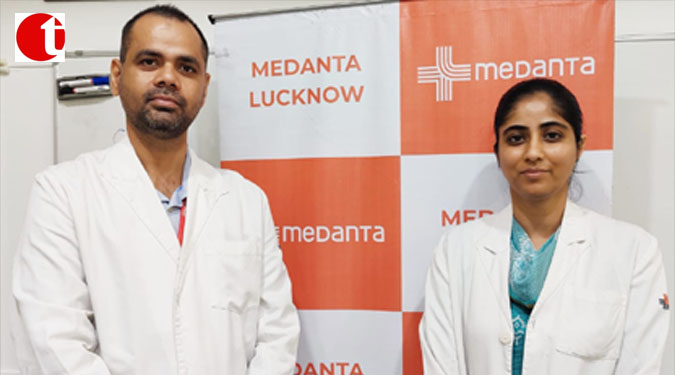
Speaking on the case, Dr Atahar Jamal, Associate Director & Head, PICU Unit, Medanta Lucknow, said: “We are one of the few PICU canters in Uttar Pradesh led by DM-trained PPediatric Intensivists, with round-the-clock pediatric intensivists coverage and MD Pediatrics doctors who are fellows in Pediatric Intensive Care. This structure enables rapid decision-making and advanced pediatric critical care delivery in the most complex and life-threatening paediatric conditions.”
The successful outcome was achieved through seamless multidisciplinary collaboration within Medanta Lucknow, under PICU-led coordination (Dr Atahar Jamal & Dr Nikita Tripathi), involving support from Interventional radiology (Dr. Rohit Agarwal, Dr Gaurav & team), Orthopedics (Dr. Saif N Shah, Dr Hatif Q Siddiqui & Team), Pediatric cardiology (Dr Roli Srivastava), Pediatric Anesthesiology (Dr. Farzana), and Microbiology (Dr. Bhawana Jain) and infectious diseases (Dr Susan Philip).