TIL Desk Lucknow: In a significant advancement in complex neurological care, Apollomedics Hospital Lucknow has successfully treated a 31-year-old woman suffering from refractory epilepsy, a condition in which seizures remain uncontrolled despite long-term medication. The breakthrough highlights the hospital’s multidisciplinary approach and growing expertise in epilepsy surgery.
The patient had been experiencing recurrent seizures since childhood and had consulted multiple doctors over the years. Despite escalating doses of anti-seizure drugs, her condition failed to improve, and prolonged medication use led to additional complications, doctors said.
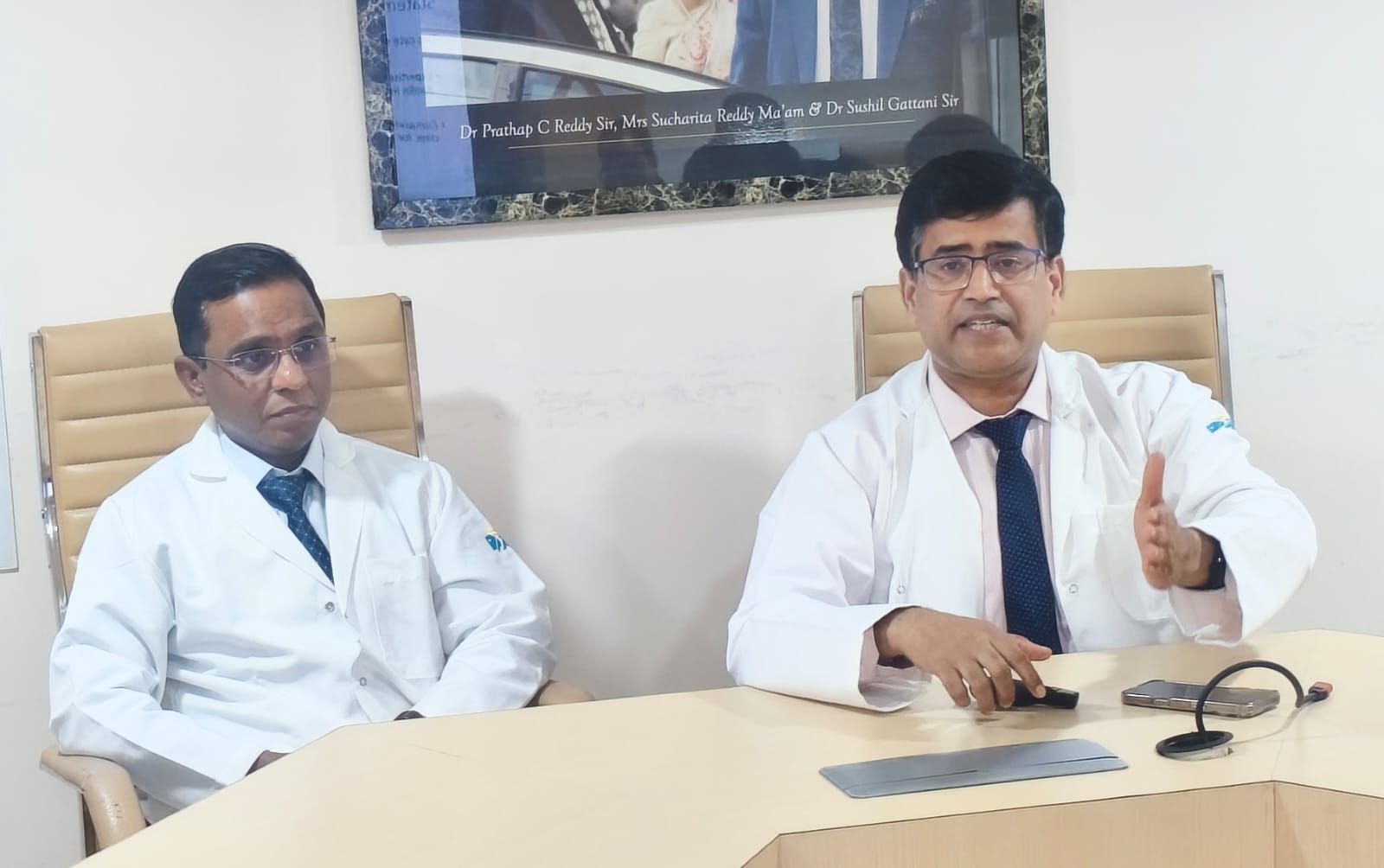
A comprehensive evaluation was conducted under the supervision of Dr. Praveen Sharma, Director Neurologist at Apollomedics Hospital. The assessment included advanced investigations such as MRI of the brain, video EEG monitoring, PET-CT scanning and detailed neuropsychological testing. Based on these findings, the case was presented at the hospital’s Epilepsy Clinic for multidisciplinary review.
The panel comprised neurologists Dr. Praveen Sharma, Dr. Gopal Podwal and Dr. Pradeep; neurosurgeons Dr. Chhitij Srivastava, Director and Head of Neurosurgery, along with Dr. Saurabh Verma, Dr. Akhilesh and Dr. Diwakar; and radiologist Dr. Shuchi. After detailed deliberations, the team identified the seizure focus in the right superior temporal gyrus of the brain.
Following the diagnosis, Dr. Chhitij Srivastava performed a right-sided mini-craniotomy.
The procedure was carried out with continuous intraoperative electrocorticography monitoring to precisely locate and completely remove the epileptogenic focus, ensuring minimal damage to surrounding brain tissue. The excised tissue was sent for histopathological examination.
Dr. Kavita Somani, Director of Pathology, confirmed the diagnosis of Type 2 cortical dysplasia, a known cause of drug-resistant epilepsy. The patient had an uneventful recovery and was discharged on the fourth postoperative day with a significantly reduced medication regimen.
Commenting on the case, Dr. Chhitij Srivastava said, “Epilepsy surgery demands pinpoint accuracy and seamless collaboration across specialties. Our integrated Epilepsy Clinic model allows us to deliver the best possible outcomes for patients who have exhausted conventional treatments.”
Hospital officials said the successful outcome reinforces Apollomedics Hospital Lucknow’s role as a leading centre for advanced epilepsy care, offering new hope to patients with drug-resistant epilepsy across Uttar Pradesh and neighbouring regions.